
Why Unified Facility Planning Outperforms Siloed Vendor Models - Perfection Group
Why Unified Facility Planning Outperforms Siloed Vendor Models
January 21, 2026 | Facility Insights

Facility leaders today are under pressure to do more with less—stretching budgets, improving reliability, and planning for the future while keeping buildings running every day. In that environment, how facility decisions are made matters just as much as the decisions themselves.


Yet many schools and organizations still rely on siloed vendors—one for HVAC service, another for design, another for energy projects, another for facilities support. On paper, it can feel manageable. In practice, it often leads to gaps, inefficiencies, and missed opportunities that compound over time.


Unified facility planning offers a better path forward.


The Problem with Siloed Facility Decisions


Siloed models ask each vendor to optimize for their own scope:

  • Engineers focus on design intent
  • Contractors focus on installation
  • Service providers respond to breakdowns
  • Energy partners address efficiency in isolation

Individually, each may perform well. Collectively, the system rarely does. Without coordination, facilities often experience:

  • Reactive maintenance instead of proactive planning
  • Shortened equipment life
  • Higher lifecycle costs
  • Inconsistent accountability
  • Limited visibility into long-term performance and risk

Most facility failures don’t start as emergencies—they become emergencies when planning is fragmented.


What Unified Facility Planning Actually Means


Unified facility planning brings design, construction, service, operations, and sustainability together under one accountable strategy—across the full life of the facility.


At Perfection Group, this approach has been refined over more than 74 years and is grounded in one core belief: reliability comes first. When reliability is planned and protected, comfort, efficiency, and health follow.

Our unified model connects:

  • Engineering & Design-Build to ensure systems work together from day one
  • HVAC & Technical Service to extend system life and reduce unplanned downtime
  • Green Energy Solutions to improve efficiency without disrupting operations
  • Total Facility Solutions to simplify vendor management and accountability

Instead of reacting to problems, leaders gain a clear, coordinated plan for how their facilities perform today—and how they evolve tomorrow.


Unified Planning in Practice: Greater Clark County Schools


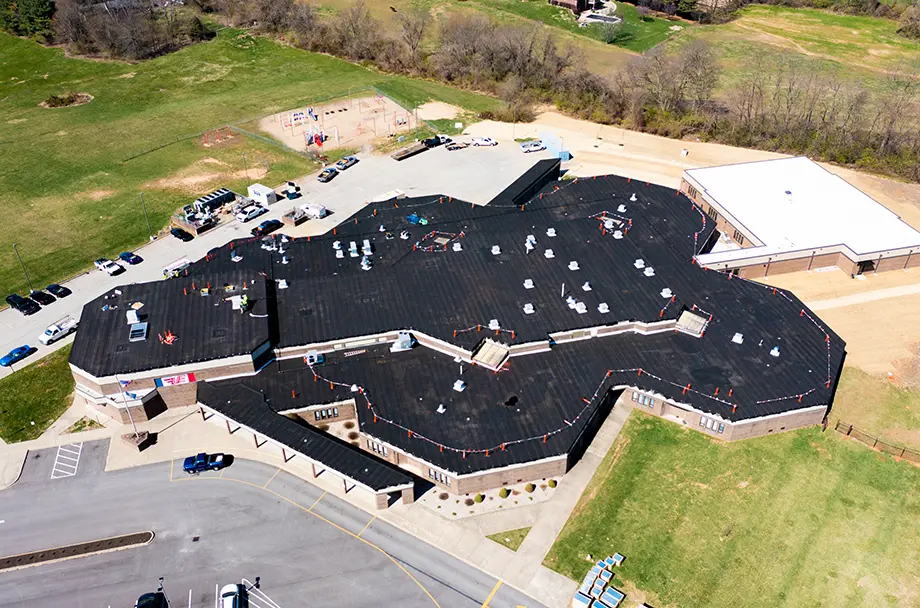
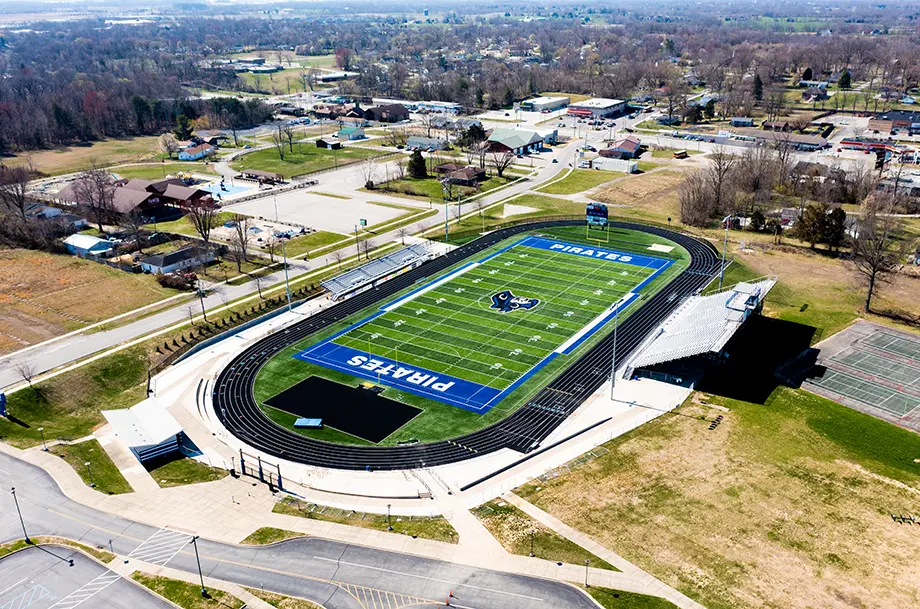
A strong example of unified facility planning in action is Greater Clark County Schools, a large, multi-building public school district serving thousands of students and staff. Rather than managing multiple disconnected vendors, Greater Clark partnered with Perfection Group as a single, integrated facility performance partner. Our teams are embedded within their buildings, providing:
  • On-site communication and rapid response
  • Continuous system monitoring and technology-driven insights
  • Coordinated service, maintenance, and long-term planning

This unified approach has helped the district move from reactive problem-solving to confident, forward-looking facility planning—improving reliability, strengthening budget predictability, and creating clearer accountability across their entire portfolio. The result isn’t just better systems—it’s better decision-making.


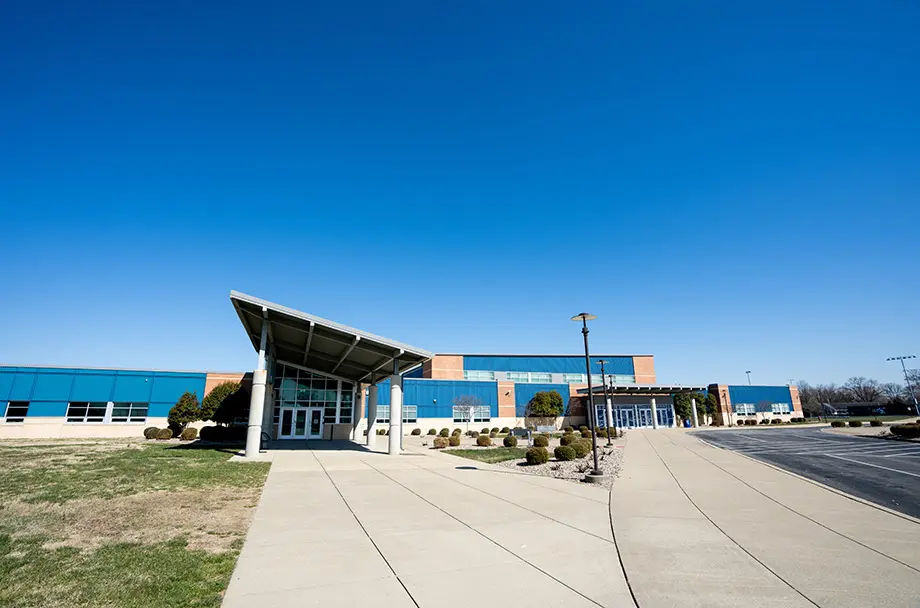
Aerial view of high school football stadium Exterior view of front of high school building

Why Unified Facility Planning Delivers Better Outcomes


1. Reliability Comes First

When design, service, and operations are aligned, systems are built and maintained to perform consistently—not just pass inspections.


2. Lower Total Cost of Ownership

Coordinated planning reduces redundant work, avoids premature replacements, and protects long-term capital investments.


3. Smarter Facility Budgeting

Unified partners help leaders anticipate needs instead of reacting to failures, improving forecast accuracy and financial confidence.


4. Sustainability That Actually Performs

Energy efficiency is most effective when integrated into operations—not treated as a standalone initiative.


5. Clear Accountability

One partner. One plan. One point of responsibility across the facility lifecycle.


From Reactive Maintenance to Proactive Performance


Unified facility planning isn’t about doing more—it’s about doing things the right way, together. For school districts and organizations managing complex facilities, the shift from siloed vendors to an integrated partner creates clarity, reduces risk, and sets the foundation for future-ready performance. That’s how facilities go further—not through short-term fixes, but through thoughtful, disciplined planning built on reliability.

See What Unified Planning Looks Like in Action


Explore how Greater Clark County Schools are applying unified facility planning across their district—and what it could mean for your organization.  View the Greater Clark County Schools Case Study.


Or, if you’re looking for a clearer understanding of how your facilities are performing today—and where opportunities exist across reliability, comfort, efficiency, and health—we invite you to start with a conversation.


Schedule a Facility Performance Assessment

By:  Todd Albrecht, CEO, Perfection Group